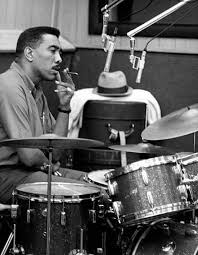
New Orleans R&B was born in the late 1940s at Cosimo Matassa's J&M Studio on North Rampart Street, where virtually every major early New Orleans recording was made. The combination of Matassa's warm room sound, the city's extraordinary pool of session musicians — drummer Earl Palmer, bassist Frank Fields, pianist Huey 'Piano' Smith — and the songs of a generation of gifted composers produced a body of recordings that changed American popular music.
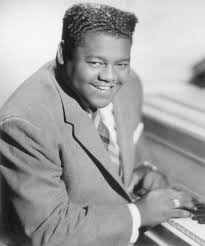
Fats Domino was the first great star of New Orleans R&B. His rolling piano style, derived from Professor Longhair and boogie-woogie, combined with his warm, approachable voice to produce a string of hits throughout the 1950s that crossed over from the R&B charts to massive pop success. 'Blueberry Hill,' 'I'm Walkin',' and 'Ain't That a Shame' are among the most important recordings in American popular music history.
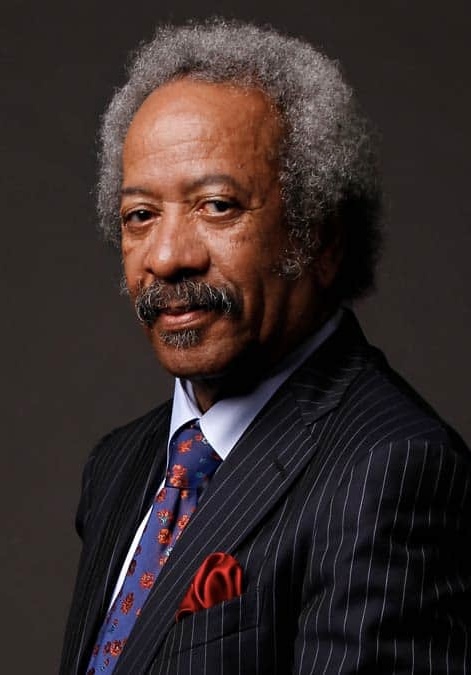
Allen Toussaint became the architect of New Orleans R&B in the late 1950s and 1960s, working as a producer, songwriter, and arranger for Minit Records and later for his own Sea-Saint Studios. His productions for Ernie K-Doe, Irma Thomas, Lee Dorsey, and dozens of others defined the sound of the era — syncopated piano, conversational horn arrangements, and a rhythmic looseness that distinguished New Orleans from the more rigid soul sounds coming from Detroit or Memphis.
Irma Thomas, whose recordings Toussaint produced in the early 1960s, remains the living embodiment of the New Orleans soul tradition. Her voice — rich, powerful, capable of tremendous tenderness — is one of the great instruments in American music. She continues to record and perform, and her presence in the city is a reminder of the tradition's depth and continuity.