Gospel music in New Orleans has its roots in the city's African American churches, where the fusion of West African musical traditions with Protestant and Catholic hymnody created a music of extraordinary emotional power. The churches of the Tremé, Central City, and the Seventh Ward were musical institutions as much as religious ones — places where singers, pianists, and choir directors developed the skills that they would later bring to secular music.
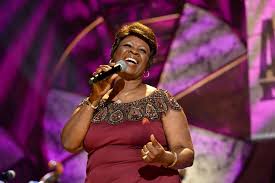
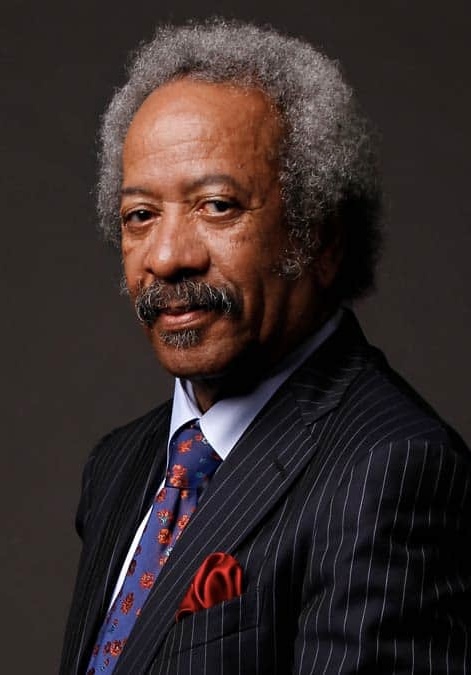
The connection between gospel and New Orleans popular music is direct and undeniable. Allen Toussaint grew up playing piano in church, and the rhythmic sophistication and emotional directness of gospel pervades his R&B productions. Irma Thomas sang in church before she sang in clubs, and the power of her voice draws directly on that training. Fats Domino's rolling, exuberant piano style has roots in the sanctified church music of New Orleans.
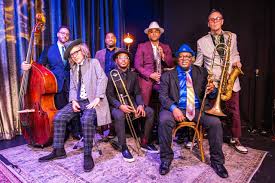
The call-and-response structure that is fundamental to gospel — a leader calls out a phrase, the congregation responds — is also fundamental to New Orleans jazz, R&B, and funk. The leader-ensemble dynamic of a jazz band, the interplay between a brass band and its second-line, the relationship between a singer and the crowd at a New Orleans show: all of these reflect the gospel tradition's way of organizing collective musical participation.
New Orleans gospel has also had direct influence on American popular music through the careers of musicians who moved from church to secular settings — a journey that has produced some of the most powerful voices in American music. The city's gospel tradition is less visible than its jazz or R&B traditions, but it is arguably more foundational.