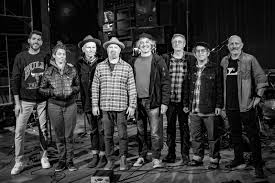
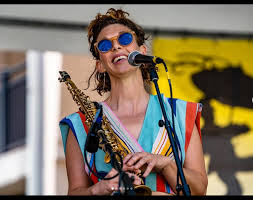
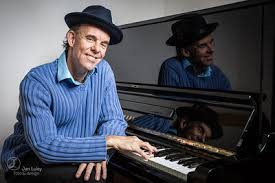
New Orleans' capacity to absorb diverse musical influences and transform them into something local is one of its defining characteristics — and nowhere is this more vividly demonstrated than in the work of the New Orleans Klezmer All Stars, who formed in 1992 and discovered that the Eastern European Jewish klezmer tradition and the New Orleans jazz and second-line traditions had more in common than anyone had previously noticed.
Both musics are rooted in community celebration and mourning. Both are built on improvisation and a shared musical language that musicians can access collectively. Both carry the traces of African American musical influence, filtered through very different cultural contexts. And both have a quality of communal participation — of music as something that involves the whole community, not just the performers — that distinguishes them from more individualistic musical traditions.
The Klezmer All Stars demonstrated that this connection was not merely theoretical but musical — that you could play klezmer over a second-line rhythm and have it make complete sense, that the wailing clarinet lines of the Ashkenazi tradition sounded natural in the New Orleans context. Their concerts are among the most joyfully surprising experiences in the city's musical life.
New Orleans also has connections to Caribbean and African music through its history, and the city's jazz tradition has always been influenced by Cuban, Haitian, and other Caribbean rhythms. The 'Spanish tinge' that Jelly Roll Morton described as essential to New Orleans music is a reference to the Cuban influence that has been present since the 19th century. The city's musical cosmopolitanism is one of its most distinctive and enduring characteristics.