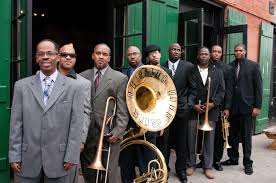
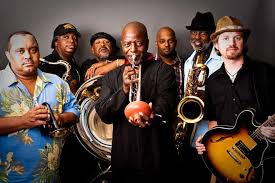
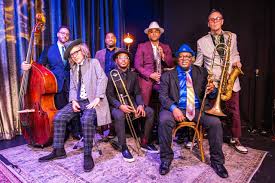
The second line tradition has its origins in the 19th century, when Black benevolent societies and Social Aid and Pleasure Clubs began organizing funeral processions and celebratory parades through the streets of New Orleans. The 'first line' was the brass band and the official participants; the 'second line' was the crowd that followed, dancing and celebrating alongside.
Over time, the second line became a tradition in its own right — Sunday parades organized by Social Aid and Pleasure Clubs, with a brass band leading through a specific neighborhood route, and hundreds of participants following with decorated parasols and handkerchiefs, dancing the characteristic second-line step. The parades are both celebrations and community rituals, marking the seasons and the neighborhoods and providing a weekly occasion for collective joy.
The music of the second line is the brass band tradition at its most functional — the music must sustain energy over a long parade route, must invite participation from the crowd, and must reflect the specific cultural identity of the club organizing the parade. The rhythmic complexity of second-line drumming, built on the paradiddle and syncopated bass drum patterns, is one of the most sophisticated and imitated in American music, influencing rock, jazz, and hip-hop drummers worldwide.
Hurricane Katrina threatened the second-line tradition by scattering the communities that sustained it. But the tradition's resilience — the fact that it continued even as the city rebuilt, that the clubs reorganized and the parades resumed — spoke to its importance as a form of cultural identity. The second line did not just survive Katrina; it became, for many, a symbol of New Orleans' refusal to disappear.