The brass band tradition in New Orleans has its roots in the 19th century, when Black benevolent societies and Social Aid and Pleasure Clubs began hiring bands to play at funerals and celebratory parades. The format — brass instruments, percussion, and a tradition of collective improvisation — was perfectly suited to the street, and the music that developed within it became one of the most distinctive sounds in American culture.
The traditional brass band funeral follows a specific emotional arc: solemn hymns on the way to the cemetery, then an explosion of joyful music on the way back. This movement from grief to celebration — expressed musically as a shift from slow, mournful dirges to fast, swinging jazz — encapsulates something essential about New Orleans culture's relationship to life, death, and music.
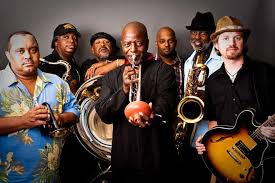
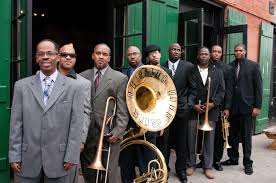
The Dirty Dozen Brass Band, formed in 1977, revolutionized the tradition by incorporating bebop harmonies, funk rhythms, and R&B energy into the brass band format. Their residency at the Caldonia Inn became legendary, and they demonstrated that the form was alive and capable of growth. The Rebirth Brass Band, formed in 1983, took this evolution further, incorporating hip-hop and contemporary R&B while maintaining a stronger connection to the second-line tradition.
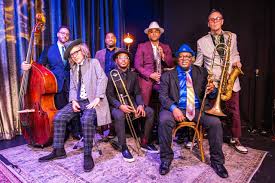
Today the brass band tradition is one of the most vital in New Orleans music. The Soul Rebels push it toward hip-hop and electronic music. Young bands emerge constantly from the city's neighborhoods, learning the tradition through participation in second-line parades. Every Sunday in New Orleans, somewhere in the city, a brass band is playing for a second-line — maintaining the connection between the music and the community that has always been its reason for existing.