The blues arrived in New Orleans from the Mississippi Delta and from the Caribbean, where it met the city's existing traditions of jazz, ragtime, and Creole music. What emerged was something distinct — a New Orleans blues that retained the emotional depth and improvisational freedom of the Delta form while incorporating the rhythmic sophistication and harmonic richness of the city's jazz tradition.
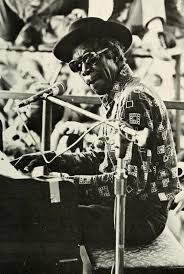
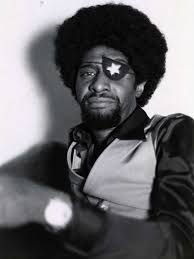
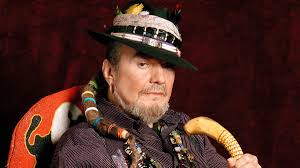
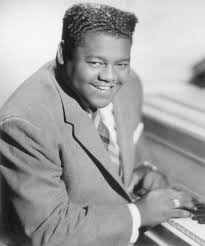
Professor Longhair, who died in 1980, is the central figure in the New Orleans blues piano tradition. His rhumba-inflected approach to the blues — incorporating Cuban rhythms into a Delta-derived harmonic framework — created a style so original and so deeply New Orleans that it became the foundation for virtually every piano player who followed him, from James Booker and Dr. John to Allen Toussaint and Fats Domino.
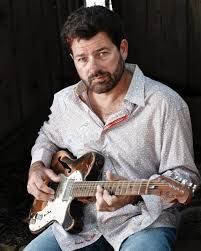
The blues in New Orleans is also a guitar tradition. Sonny Landreth, who grew up in Louisiana, developed a slide guitar approach rooted in the blues but inflected by zydeco, country, and the particular atmospheric quality of the south Louisiana landscape. Tab Benoit, from Houma, plays a swamp blues that sounds like it grew directly from the bayou.
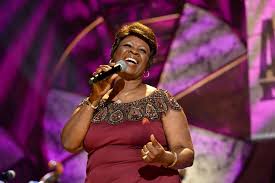
The blues is also a vocal tradition, and New Orleans has produced some of the great blues voices in American music. Irma Thomas — the Soul Queen of New Orleans — carries the blues in her voice even when she is singing R&B or soul. The connection between blues, gospel, and the vocal traditions of Black New Orleans is direct and audible in every note she sings.