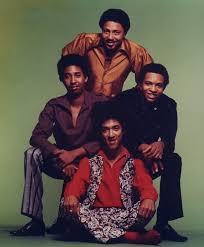
New Orleans funk was born in the mid-1960s when the Meters — keyboardist Art Neville, guitarist Leo Nocentelli, bassist George Porter Jr., and drummer Joseph 'Zigaboo' Modeliste — began playing together as the house band for Allen Toussaint's productions. Their approach to rhythm was radically spare: stripped back to the essentials, with each instrument locking into a specific rhythmic role and the spaces between the notes as important as the notes themselves.
Their recordings, beginning with 'Cissy Strut' and 'Look-Ka Py Py' in 1969, established the template for New Orleans funk — and for much of what would come to be called funk, period. The Meters' records are among the most sampled in history, providing the rhythmic foundation for hip-hop tracks by Public Enemy, Nas, and hundreds of others, and influencing the jam band movement through their work with the Grateful Dead and others.
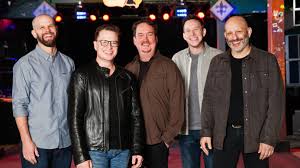
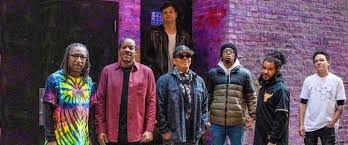
The funk tradition in New Orleans has been carried forward by successive generations of musicians who have absorbed the Meters' lesson and developed it in new directions. Galactic, formed in 1994, brought jazz improvisation and rock energy to the funk format. Dumpstaphunk, featuring Ivan Neville (son of Aaron Neville), doubled down on the heaviness, featuring two bass guitars and a relentless groove. John 'Papa' Gros carries the piano-based funk tradition forward with a deep knowledge of the Meters and Professor Longhair.
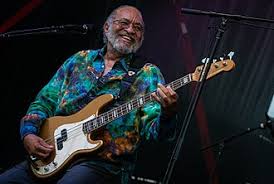
George Porter Jr., the Meters' bassist, remains active and performing, a living connection to the tradition's origins. His bass playing — melodic, spacious, rhythmically precise — remains the standard against which all New Orleans funk bass is measured.