Jazz emerged in New Orleans in the late 19th and early 20th centuries from a confluence of musical traditions unlike anything found elsewhere in America. The city's unique history as a French and Spanish colonial capital, combined with its large free Black Creole population and its proximity to the Caribbean, created a cultural environment where musical traditions from Africa, Europe, and the Americas met and transformed each other.
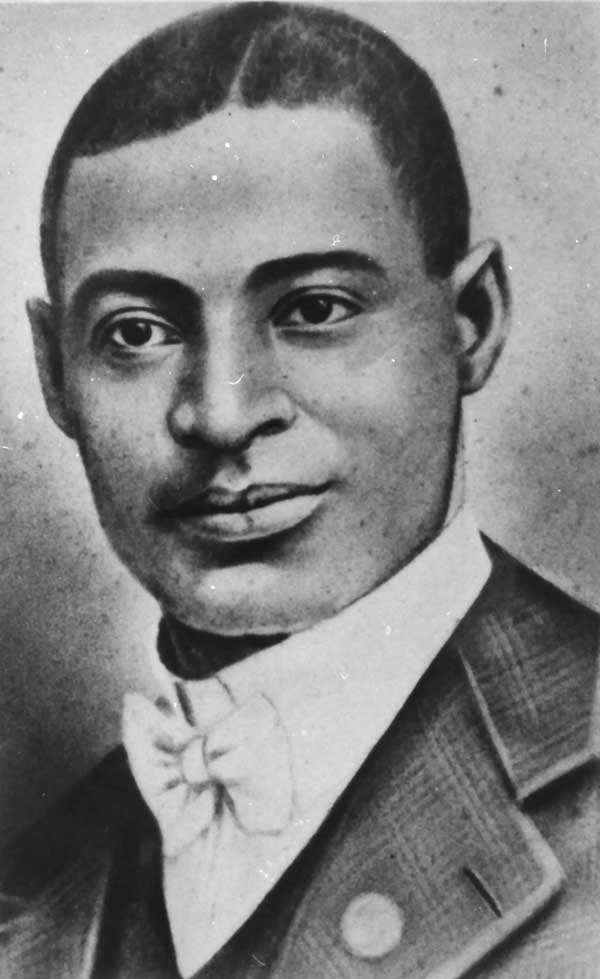
The music that emerged from this meeting — first heard in the dance halls and brothels of Storyville, on the streets of the Tremé, and in the parks where enslaved and free Black people gathered on Sundays — was rhythmically complex, harmonically rich, and built on the principle of collective improvisation. Cornetists like Buddy Bolden and later King Oliver developed a new approach to melody: instead of playing written notes, they bent, smeared, and improvised around them, expressing something deeply personal through a shared musical language.
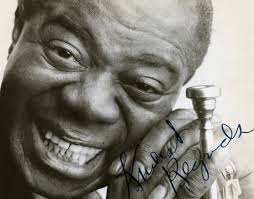
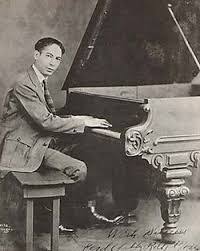
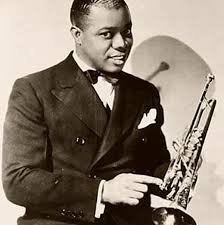
Louis Armstrong, who grew up in New Orleans and came of age playing in its streets and dance halls, took this music to Chicago and then to the world in the 1920s. His recordings with the Hot Five and Hot Seven established the language of jazz soloing that all musicians since have worked within or against. Jelly Roll Morton, another New Orleans native, became the music's first great composer and arranger, demonstrating that jazz could be a sophisticated, crafted art form as well as a spontaneous one.
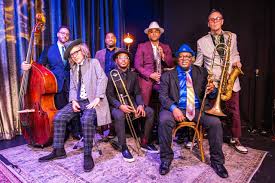
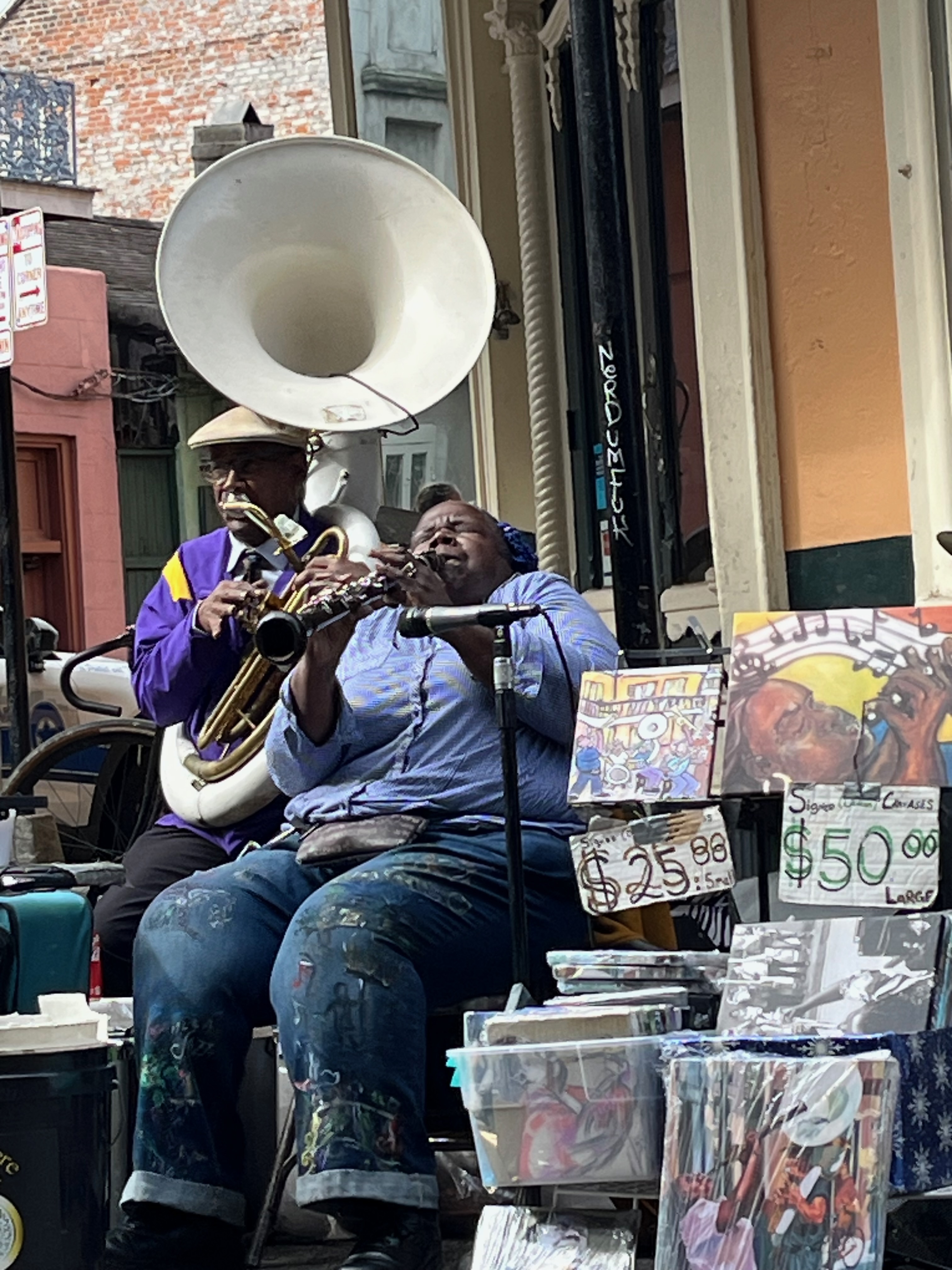
New Orleans jazz never stopped evolving. The city's tradition of brass bands — funeral processions, second-line parades, Social Aid and Pleasure Club events — kept the music rooted in community life even as jazz became an international art form. Today, from the traditional ensembles at Preservation Hall to the experimental work of musicians on Frenchmen Street, jazz in New Orleans remains a living tradition, constantly refreshed by new talent while drawing on its extraordinary history.