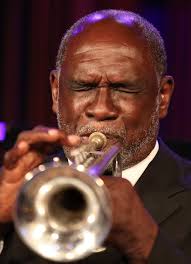
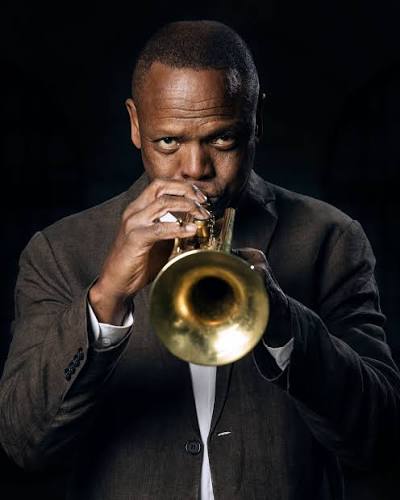
Born Gregory Vaughan Stafford on July 6, 1953, in New Orleans, Gregg Stafford grew up in the Central City neighborhood amid the city’s street parade culture — watching the second lines, singing in church, soaking it all in. He didn’t pick up an instrument until high school, when he joined the school band; his trumpet playing soon had him gigging with the E. Gibson Band, parading alongside childhood friend Tuba Fats Lacen.
As a teenager he joined Danny Barker’s Fairview Baptist Church Band, the youth brass band Barker founded in 1971 to pass the old-line tradition to a new generation. By sixteen Stafford was playing with the Olympia Brass Band, Teddy Riley’s Royal Brass Band, and the Young Tuxedo Brass Band. He earned his degree from Southern University in 1976, then worked in television production and as a public school math teacher — gigging at night and on weekends all the while.
In 1984 Stafford took over leadership of the Young Tuxedo Brass Band, a post he has held for more than thirty years, and became a music educator in the New Orleans public schools in 1985. He led the Heritage Hall Jazz Band from 1992 following Kid Sheik Cola’s death — the band played Preservation Hall regularly through the 1990s, where Stafford remains a resident artist — and in 1994 he took over Danny Barker’s Jazz Hounds, in which he had played since the early 1980s. Along the way he has shared stages with Wynton Marsalis, Brian Carrick, and fellow tradition-keeper Dr. Michael White, and led bands at the New Orleans Jazz & Heritage Festival for decades.
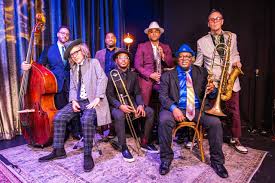
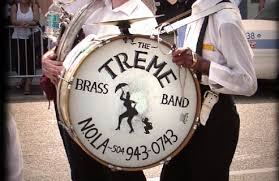
When mentor Barker died, Stafford co-founded the Black Men of Labor with Fred Johnson and Benny Jones, Sr. — a social aid and pleasure club dedicated to keeping traditional brass band music on the streets of New Orleans. Today you can catch Gregg Stafford & His Jazz Hounds at the New Orleans Jazz Museum’s livestream series, at Snug Harbor, and on Frenchmen Street — recent lineups have featured trombonist Frank Naundorf, banjoist Seva Venet, pianist Mari Watanabe, bassist Tyler Thomason, and drummer Benny Amon. The address changes; the mission doesn’t: keep the old-line sound swinging, and bring the room along with it.