Biography
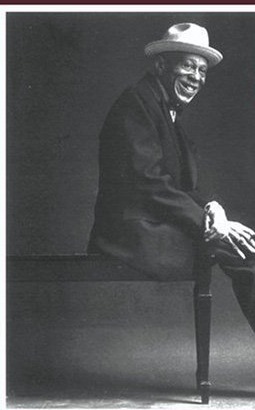
Isidore "Tuts" Washington — known around town as "Papa Yellow" — was born in New Orleans on January 24, 1907, and taught himself piano from the age of ten, whistling the brass band tunes he heard on the street until he could work them out on the keyboard. He also learned from the older pianist Joseph Louis "Red" Cayou, and by his teens he was recognized as the French Quarter's champion barrelhouse pianist, his style blending ragtime, jazz, blues, and boogie-woogie.
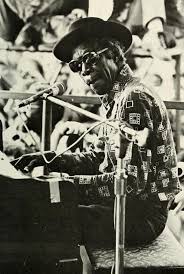
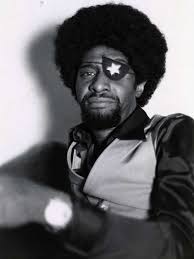
In the late 1930s Washington nurtured a young pianist named Roy — later Professor Longhair — even painting a charcoal mustache on the boy's face so he could sneak him into underage gigs. Longhair spoke fondly of his mentor's clean playing and the long stretch of his fingers on the keys. In the 1950s, Tuts was a principal teacher of James Booker, a close family friend who took the young pianist under his wing at an early age.
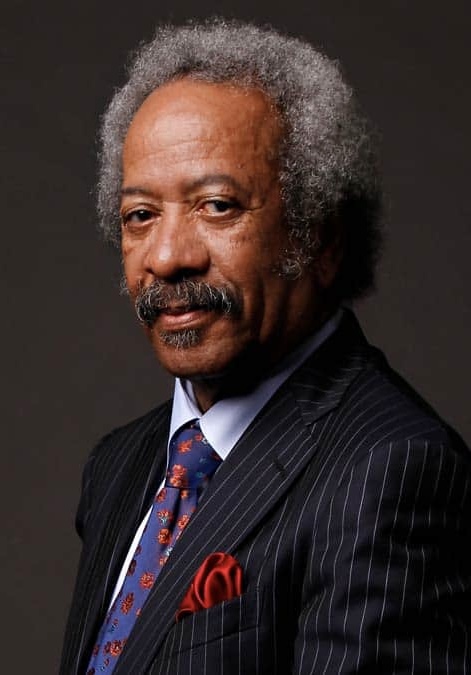
After World War II, Washington joined singer and guitarist Smiley Lewis in a trio with drummer Herman Seals, and they cut some of the landmark New Orleans R&B sides of the era for Imperial — "Tee-Nah-Nah," "The Bells Are Ringing," "Dirty People." In 1950 he moved to St. Louis to play with the Tab Smith Orchestra, and by the end of the decade he was back in New Orleans with the Clyde Kerr Orchestra, playing jazz with Papa Celestin and holding a regular engagement at a bar in the Pontchartrain Hotel. Through the 1960s and 1970s he was a New Orleans institution — a Jazz & Heritage Festival regular, and a direct influence on Longhair, Booker, Allen Toussaint, and Fats Domino.
Washington considered recording of little consequence and turned down solo offers for decades. Finally, in 1983 — at the age of 76 — he consented to his first solo recordings, cutting New Orleans Piano Professor for Rounder. He appears alongside Longhair and Toussaint in the 1982 documentary film Piano Players Rarely Ever Play Together. He died on August 5, 1984, of heart failure, collapsing mid-performance at the New Orleans World's Fair. A live set, Live at Tipitina's '78, was released by Night Train International Records in 1998.