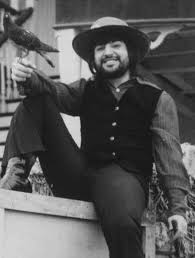
Ronald Raymond Barrosse was born in 1943 in Algiers, the West Bank community across the Mississippi from the French Quarter, and grew up steeped in New Orleans R&B. He began performing in the mid-1950s, playing with the Fidelities and sitting in on recording sessions for Huey "Piano" Smith, Smiley Lewis, Earl King, and Fats Domino whenever a seat opened up. His connection to Mac Rebennack — later famous as Dr. John — began around 1958 when they were classmates at Jesuit High School. Together they played the New Orleans circuit, with Barron developing a wild onstage persona he called "the Reverend Ether" — part voodoo priest, part tent revivalist — that electrified Bourbon Street audiences.
Rebennack was so taken with the Reverend Ether concept that he originally wanted Barron to become Dr. John, the Night Tripper. Barron declined — he had been offered work by Sonny and Cher and relocated to California in 1965 to become a session musician. Rebennack, who had already shifted from guitar to piano after being shot in the finger while defending Barron in a barroom altercation, eventually took on the persona himself. The two remained close collaborators throughout their careers.
From California, Barron built an impressive career as a session player and sideman. He joined Paul Butterfield's Better Days in 1972, recording two Bearsville albums. He toured with John Mayall and appeared on Banquet in Blues. He recorded and performed with Canned Heat, B.B. King, Ry Cooder, Tom Waits, Eric Burdon & the Animals, and Delaney & Bonnie and Friends. He appeared on Dr. John's Hollywood Be Thy Name and a Japan-recorded solo album, Smile of Life (1978), featuring Dr. John and the Meters, followed. A second Japanese release, Blues Delicacies (1979), showcased his New Orleans R&B roots.
Barron released his own New Orleans recordings under the labels Reverend Ether, Gumbo Stew, and More Gumbo Stew, and remained an active performer and session musician until shortly before his death from complications related to AIDS on March 20, 1997. He was 53. His contribution to New Orleans music history is inseparable from Dr. John's — one of those cases where the person who didn't take the spotlight shaped the story just as completely as the person who did.