Gospel · Soul

MahaliaJackson

New Orleans, LA, 1911 — Chicago, IL, 1972

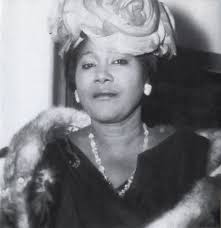
The Queen of Gospel, Mahalia Jackson was born in the Carrollton neighborhood of New Orleans and became the most powerful sacred voice of the 20th century — a contralto who could move presidents and civil rights leaders, fill Carnegie Hall, and reshape the very idea of what American music could be.

Mahalia Jackson Mahalia Jackson
22M
Records Sold
3
Grammy Awards
1963
March on Washington
1972
Year of Passing

The Queen of Gospel: A Voice That Changed America

Mahalia Jackson was born on October 26, 1911, in a shotgun house between the railroad tracks and the Mississippi River levee in the Carrollton section of New Orleans. Her father worked three jobs; her mother died when Mahalia was five, and she was raised by her strict Aunt Duke in the deeply devout Baptist tradition of the city's Black community. She sang in the choir at Plymouth Rock Baptist Church and Mount Moriah Baptist Church, absorbing both the sanctified expressiveness of the holiness tradition and, secretly, the blues records of Bessie Smith that she played when no one was listening. That double inheritance — the moaning ecstasy of the church and the deep soul of the blues — defined everything she would become.

At sixteen, Jackson moved to Chicago with her aunt to seek work. She joined the Greater Salem Baptist Church choir and almost immediately distinguished herself. Her deep contralto voice, raw and propulsive, drew on the full-throated tone of the Sanctified church, the blues-drenched phrasing of her Baptist upbringing, and a physical expressiveness — the rocking, the shouting, the emphatic bodily emphasis — that scandalized conservative northern preachers and transfixed everyone else. Through the 1930s she toured midwestern churches and recorded for Decca. In 1946 she signed with Apollo Records; her recording of "Move on Up a Little Higher" in 1947 sold nearly two million copies and made her a national celebrity overnight.
"I sing God's music because it makes me feel free. It gives me hope. With the blues, when you finish, you still have the blues."

— Mahalia Jackson

The 1950s brought her to Columbia Records — the first gospel artist to sign with the major label — a Sunday night CBS radio program, an appearance on the Ed Sullivan Show that introduced gospel to mainstream America, and annual sold-out concerts at Carnegie Hall. She collaborated with Duke Ellington on his 1958 album Black, Brown and Beige, delivering what many consider the most stirring performance on one of Ellington's most personal works. She was a close friend and supporter of Dr. Martin Luther King Jr., performing at the Prayer Pilgrimage in Washington in 1957 and at countless SCLC fundraisers through the movement years. At the 1963 March on Washington, she sang before King took the podium, and — as he delivered his prepared text — it was Jackson who called out to him, "Tell them about your dream, Martin," helping launch the famous improvised conclusion to the most celebrated speech in American history.

Mahalia Jackson died on January 27, 1972. She was buried in New Orleans, and tens of thousands silently filed past her casket in both Chicago and her birthplace. Aretha Franklin, her protégé, sang "Precious Lord, Take My Hand" at the service. The Mahalia Jackson Theater for the Performing Arts in Louis Armstrong Park bears her name. Her music — and the emotional language she forged for gospel — shaped virtually every major American singer who came after her.

Discography

Essential Recordings

Move on Up a Little Higher1947
Black, Brown and Beige (with Ellington)1958
How I Got Over1956
Precious Lord, Take My Hand1956

Sources

Sources & Further Reading

Official
Official Website
Follow
Listen
Buy
Amazon Louisiana Music Factory